High-precision text, pixel-level edits, commercial-ready output
GPT Image 2 is OpenAI's next-generation image model, engineered for stronger photorealism, sharper in-image text, cleaner local edits, and polished product photography. From text-to-image ideation to image-to-image refinement, it turns plain-language briefs into layout-accurate, typography-faithful visuals ready for campaigns, storefronts, and design systems.
🎨 Launch your first GPT Image 2 project in minutes
from 0+ happy users
Photorealistic generation, near-perfect text rendering, and pixel-level editing — built for creative, commercial, and design-ready workflows.
Loading GPT Image 2...
From marketing creatives and packaging mockups to lesson slides and storyboards, GPT Image 2 slots into your existing process in four simple stages:
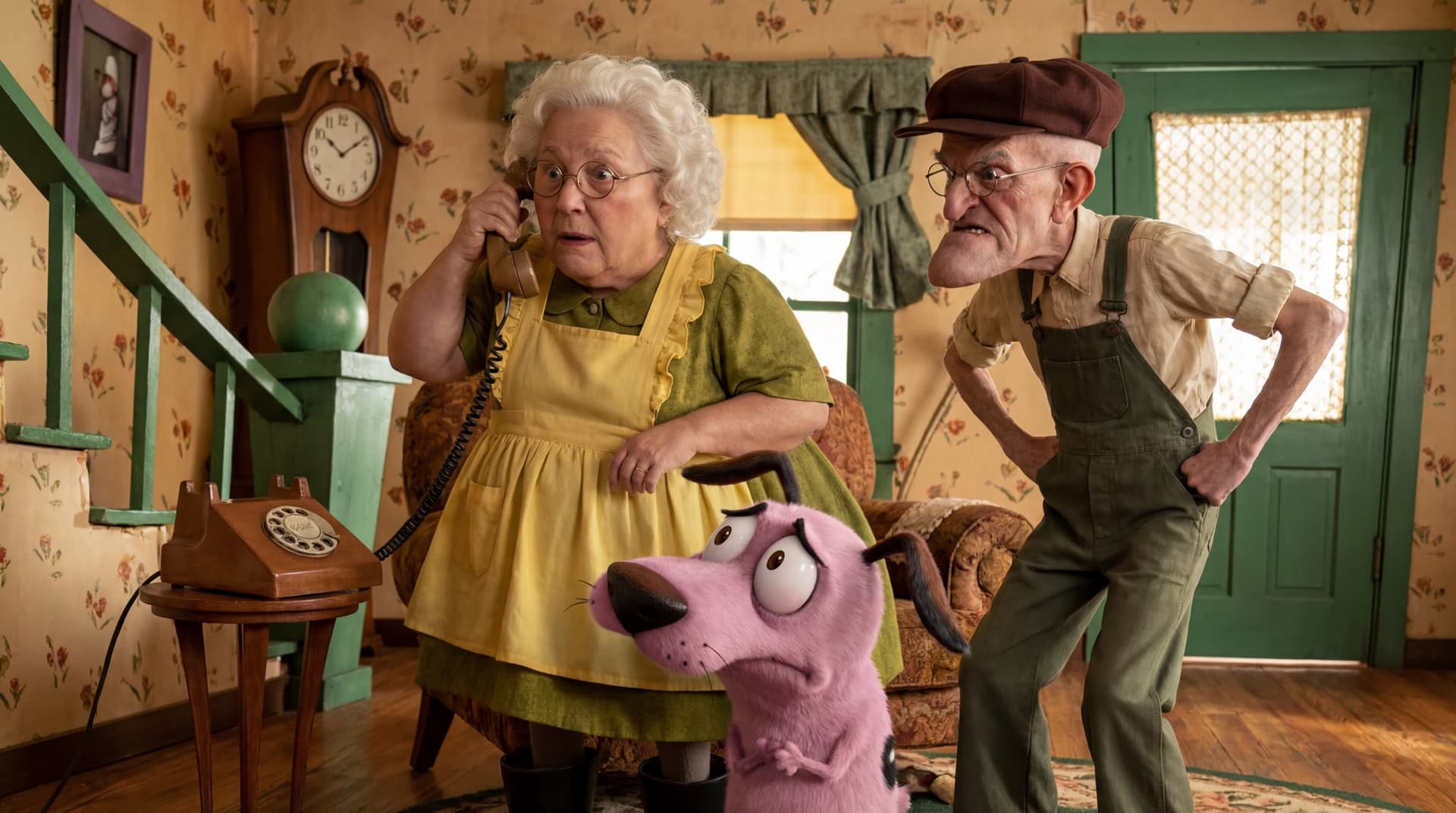
Under the hood it is OpenAI's next-gen image model—on the surface, a set of capabilities tuned for daily creative, marketing, and design-system workflows.
GPT Image 2 is most valuable where image quality, text accuracy, and visual consistency translate directly into business outcomes—ads, storefronts, design systems, and global campaigns.
for everyday image work—from quick mockups to campaign-ready assets.
Daily creators
Growing
Independent artists, marketers and founders using GPT Image 2 in their workflows
Countries
Global
Professionals across North America, Europe and Asia
Use cases
Flexible
From character art and comics to ads, thumbnails, decks and more
Different types of creators use GPT Image 2 for different jobs—but they share the same feedback: less friction, more finished work.
Sarah Chen
Digital artist, Seattle
“I use GPT Image 2 to keep my OC consistent across comics, key art and thumbnails. I still draw, but the model handles lighting and outfits so I can focus on storytelling.”
Michael Rodriguez
YouTube creator, Toronto
“For each video I need half a dozen thumbnails and social crops. GPT Image 2 lets me lock the main character and experiment wildly with backgrounds and text in minutes.”
Emily Watson
Creative director, NYC studio
“Pitch decks used to eat our evenings. Now we block scenes in GPT Image 2—product shots, lifestyle scenes, even fake UIs—then hand the best ones to the design team to polish.”
Alex Kim
Freelance designer
“Clients send me messy briefs. I throw everything into GPT Image 2, explore a few directions, and quickly converge on a visual language the whole team likes.”
Lisa Thompson
Agency owner, Chicago
“We still art-direct every campaign, but the model lets junior designers produce strong options on day one. That’s huge for timelines and margins.”
David Park
Film pre‑viz artist
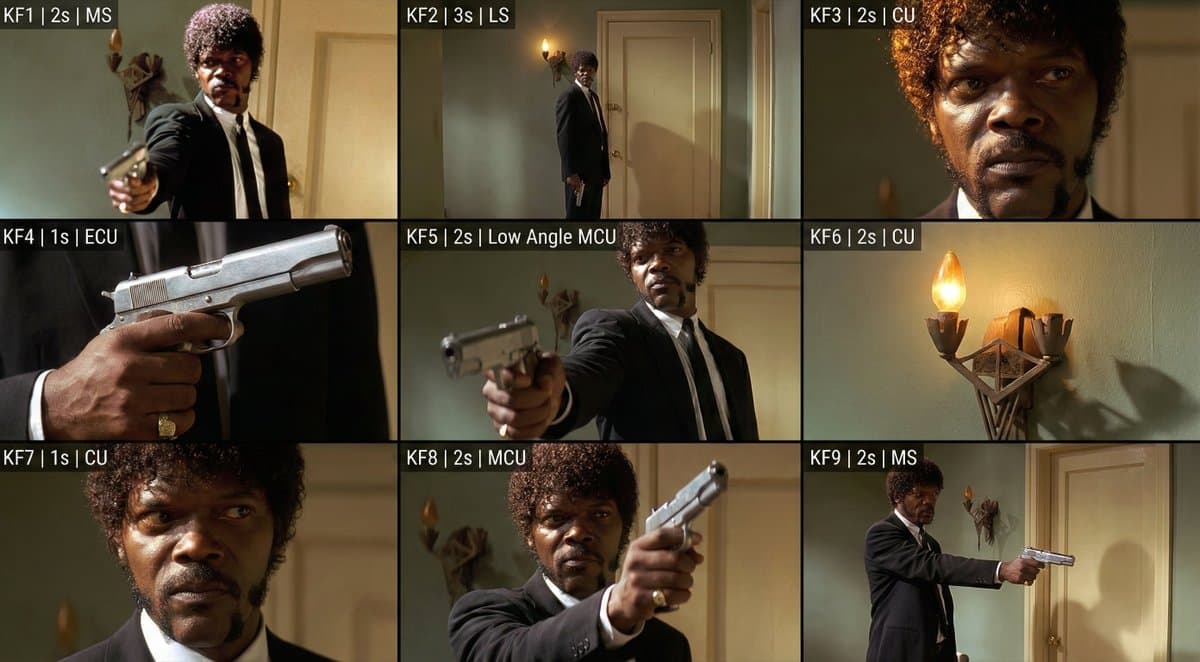
“Story beats change constantly. With GPT Image 2 I can update angles, props and lighting on the fly without rebuilding scenes from scratch.”
Perfect for trying out AI image generation and small projects.
What's included
Perfect for experiencing AI image generation and editing effects.
No hidden fees
Ideal for creators, designers, and content professionals.
Everything in Starter
🔥 Limited Time Offer! Get Pro Now
No hidden fees
For teams, agencies, and high-volume commercial use.
Everything in Pro
Perfect for teams and businesses
No hidden fees
Cancel subscription, please contact the support email:support@gptimagev2.com
Answers to the questions we hear most often from creators in the US and Canada.
GPT Image 2 is a web-based image creation workspace powered by OpenAI's latest image generation technology. You use it like a creative tool—uploading references, writing prompts and iterating on results—while we handle the infrastructure, scaling and model updates behind the scenes.
GPT Image 2 is the successor to GPT Image 1.5 and is built on OpenAI's latest image generation architecture. It offers significantly improved quality, consistency and speed, along with a polished product layer: a persistent workspace, guardrails, presets and billing designed for everyday creative work.
Compared to GPT Image 1.5, GPT Image 2 gives you stronger character consistency, better handling of complex scenes and UI, support for more aspect ratios, and much better long-form text rendering in both English and Chinese. In practice this means fewer random failures and more usable images per session.
Yes—GPT Image 2 is designed for real client and in-house work. The underlying model family supports commercial use, and every output includes SynthID-style invisible watermarking from the provider so platforms can verify that the image is AI-assisted.
No. You can start with simple sentences like “turn this office photo into a cozy coffee shop” or “keep this character but change the outfit to streetwear.” For power users, GPT Image 2 also supports more structured prompts and multi-image workflows, but it is not required.
We see the best fit with solo creators, small studios and marketing teams who need consistent visuals week after week: product photos, campaign concepts, lesson materials, comics, social content and more.
Yes. Text-to-image turns written prompts into polished marketing creatives, product concepts, and illustrations, while image-to-image transforms an uploaded input—style changes, background replacement, product recoloring, and composition cleanup—while preserving the parts of the original you want to keep.
Editing is one of GPT Image 2's strongest suits. Pixel-level control lets you change one part of an image—object, background, color, local scene—without disturbing surrounding lighting, shadows, or texture, which keeps results cleaner and more stable than full-image regeneration.
Yes. GPT Image 2 is tuned for commercial-quality output: ad images, storefront visuals, product photography, packaging mockups, editorial illustrations, and design-system assets. Its typography accuracy and pixel-level editing make it practical for real client and in-house work, not just concept art.
Have more questions?Contact our support team →
Open the workspace in your browser, drop in a reference image and see what GPT Image 2 can do for your next project.
Discover curated AI image prompts, real-world showcases, and powerful video tools for your creative projects.
GPT Image 2 is OpenAI's next-generation image model built for advanced visual workflows. It understands multi-subject prompts, reads reference images, and produces commercial-ready output with reliable text rendering—so you move from brief to final artwork without juggling tools or writing code.
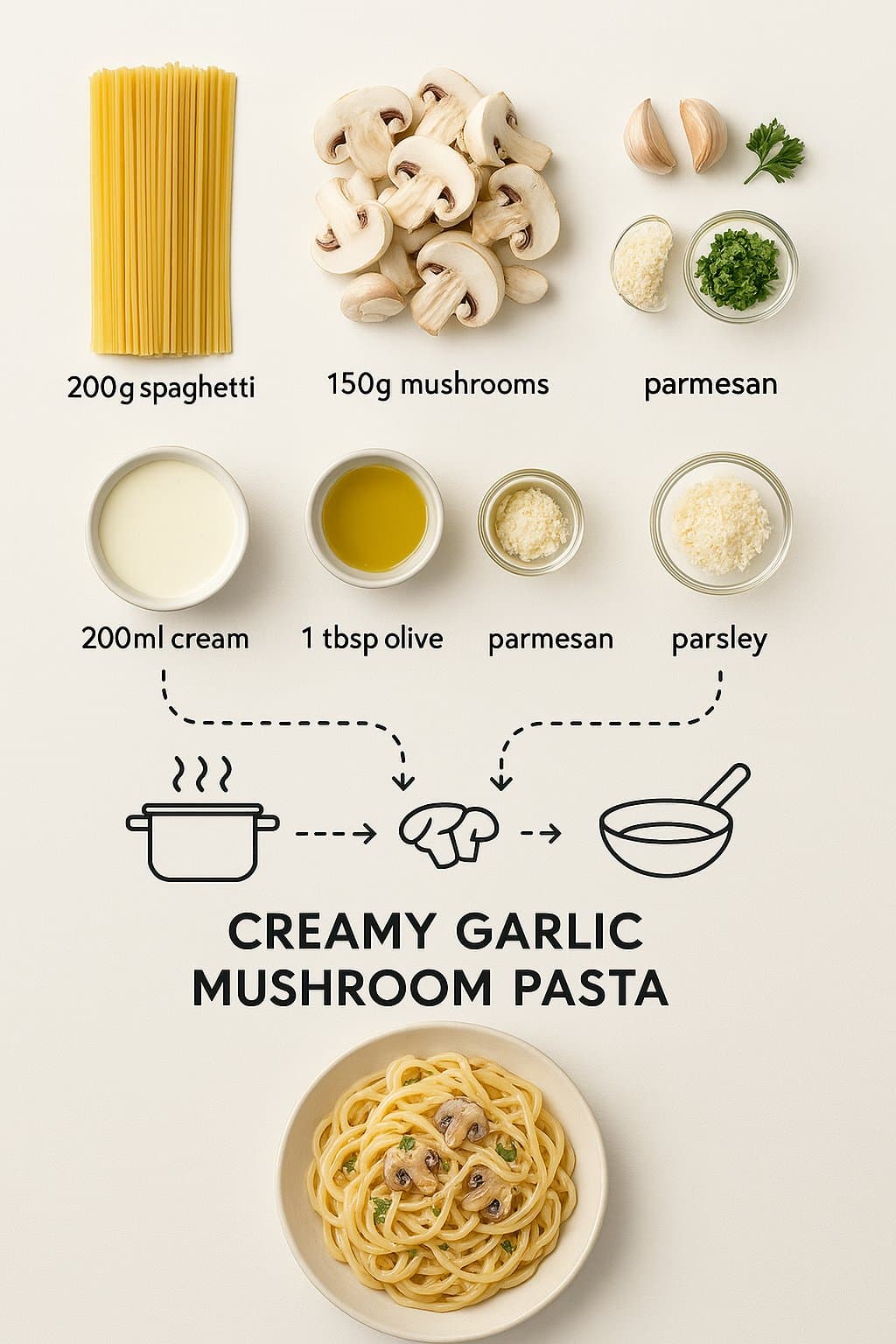
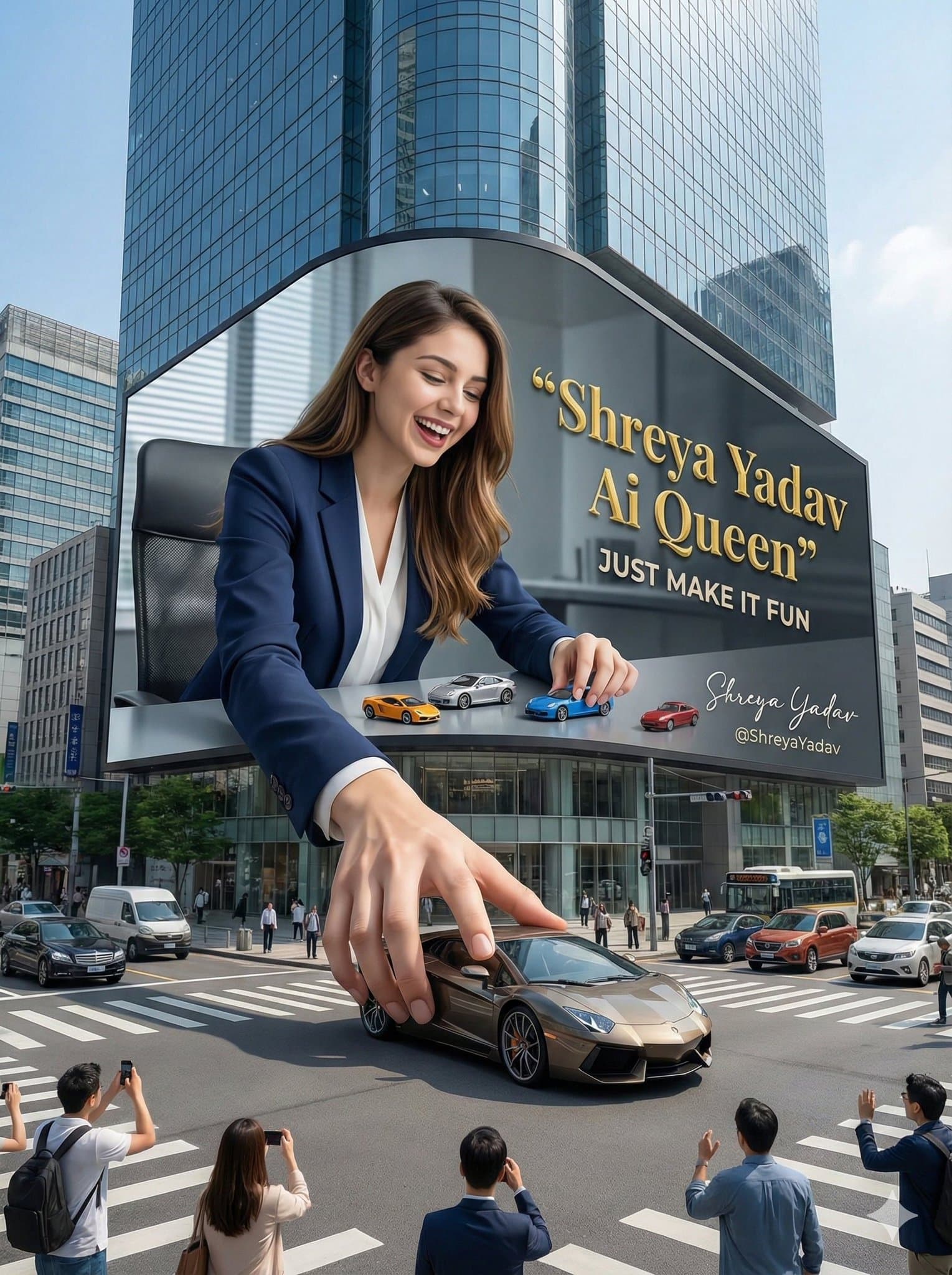
Turn written prompts into polished marketing creatives, product concepts, ad visuals, and branded illustrations with layouts, lighting, and typography that match your brief—not random single shots.
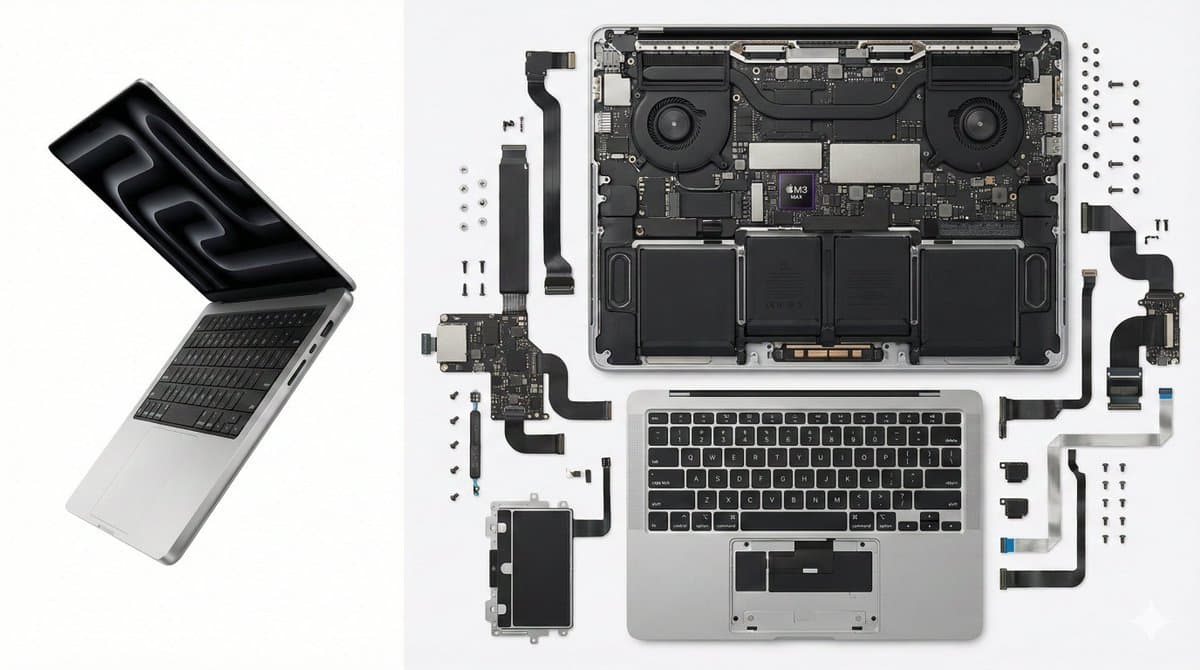
Four upgrades separate GPT Image 2 from earlier image models: near-perfect text rendering, pixel-level editing that preserves visual consistency, world-knowledge realism, and fast generation with tighter prompt fidelity.
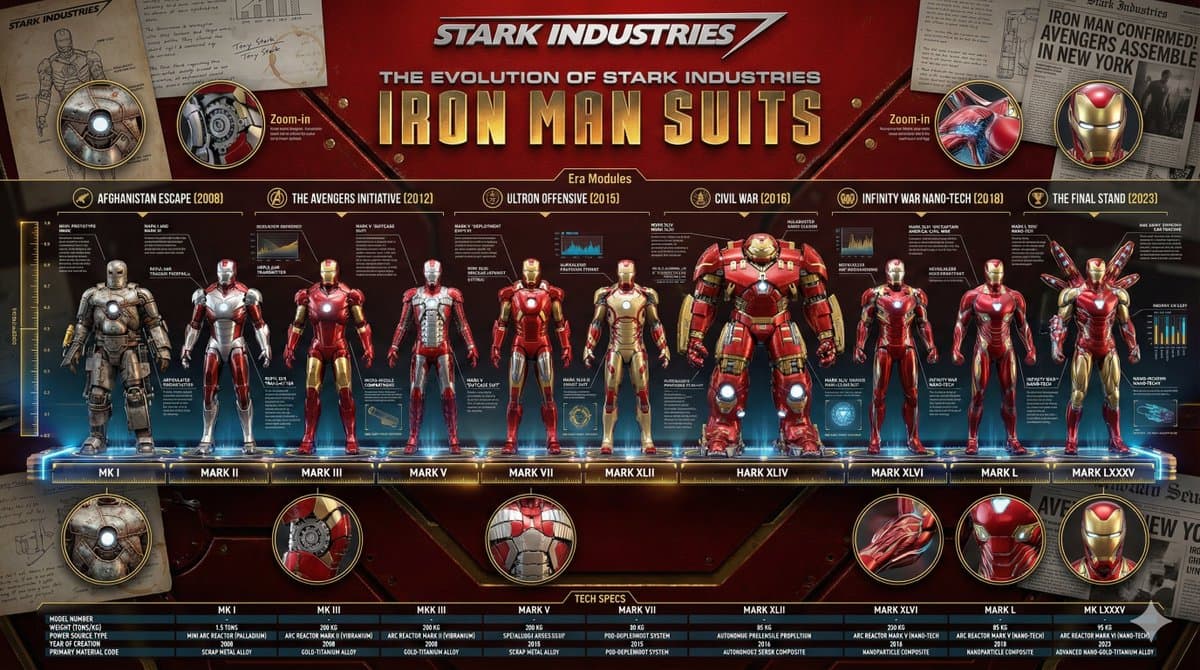
Handle long phrases, multi-word labels, punctuation, and casing with confidence—ideal for storefront mockups, posters, UI concepts, infographics, packaging, and branded campaign assets where typography has to look intentional, not random.
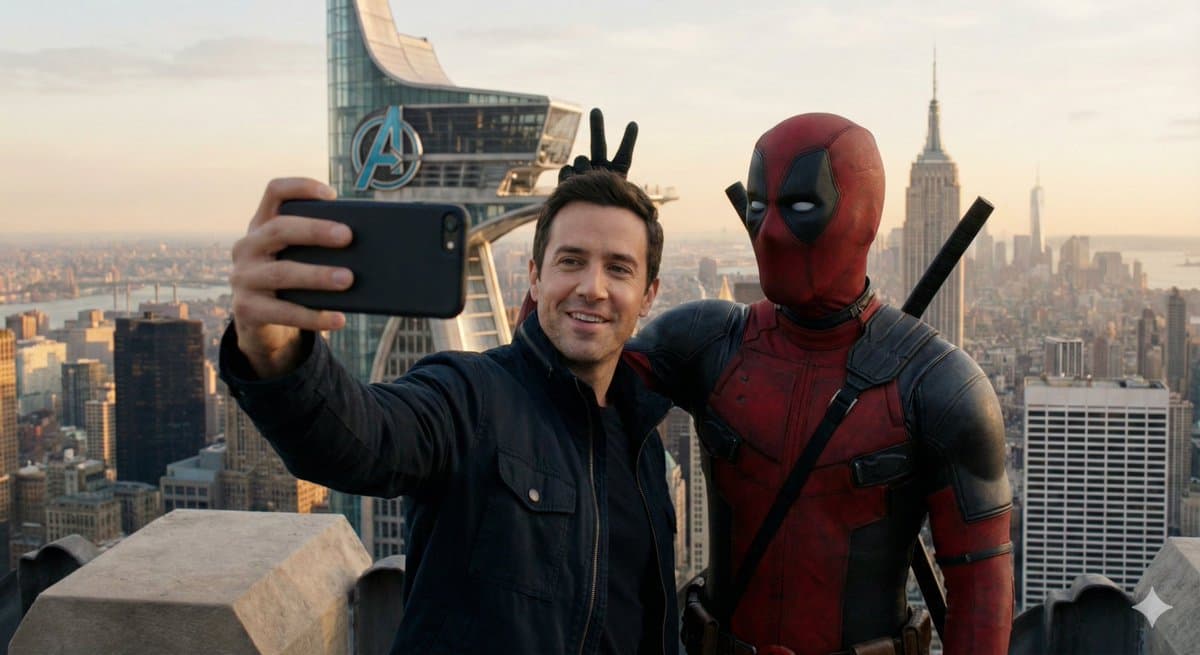
Describe several characters, products, or layout regions in a single prompt and get scenes where every subject, prop, and line of copy stays in agreement.
Fast high-quality generation keeps you in the creative zone—compare directions, refine campaign visuals, and explore dozens of options in one session.
Edit headlines, labels, and UI copy directly inside the image with stable spacing and alignment—posters, slides, packaging, and interface mockups included.
Render readable text in multiple languages for localized ads, international packaging, interface mockups, and branded campaign assets—no font swapping required.
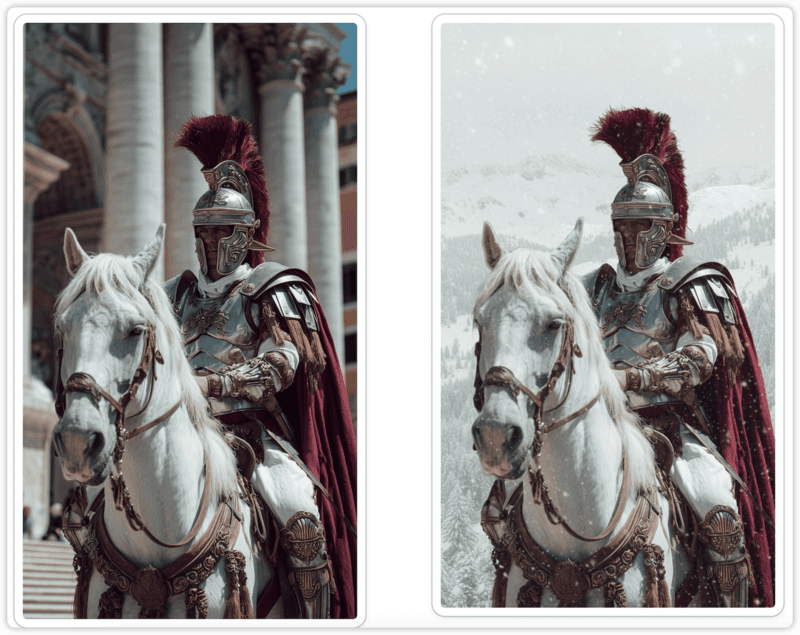
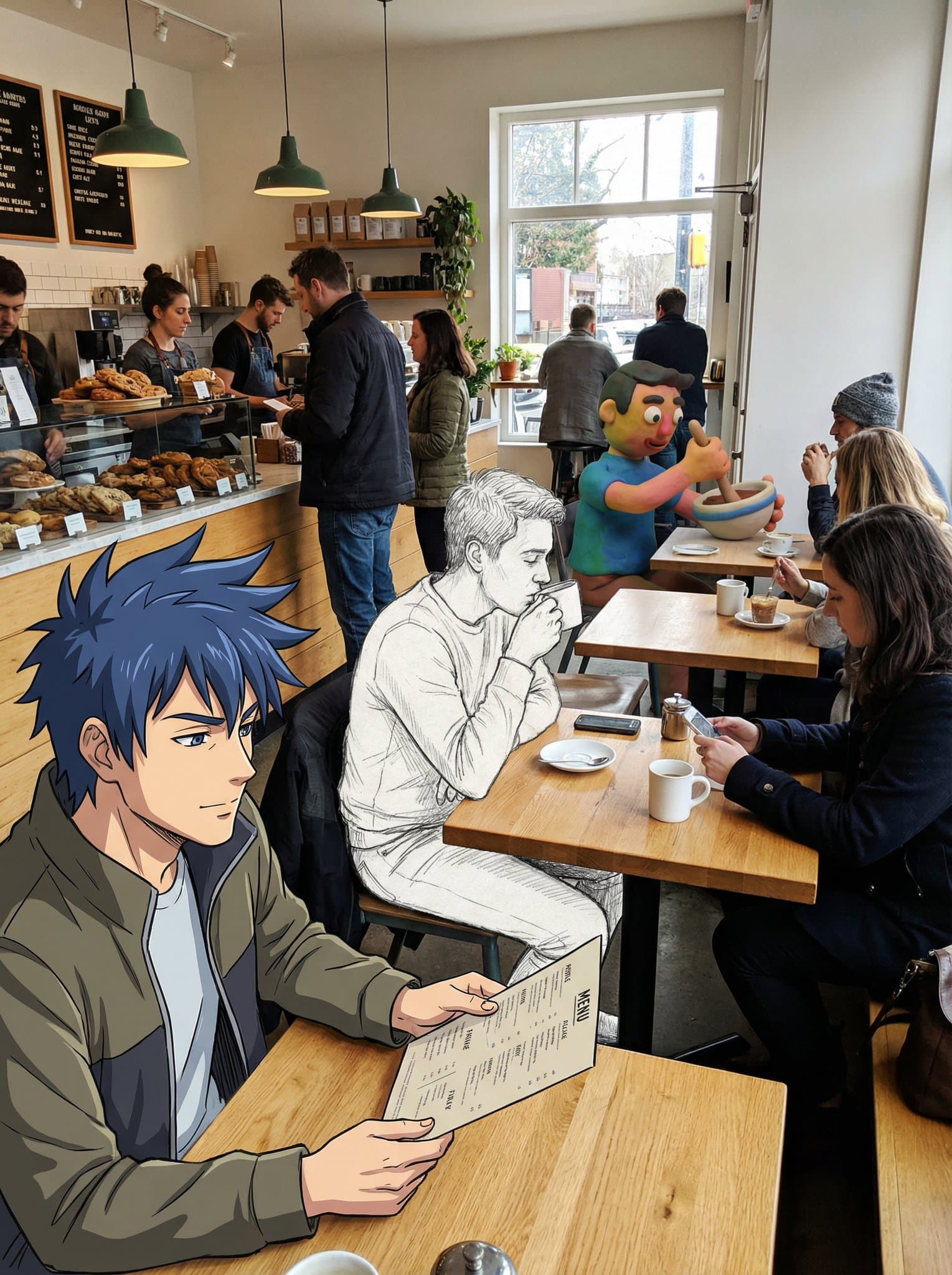
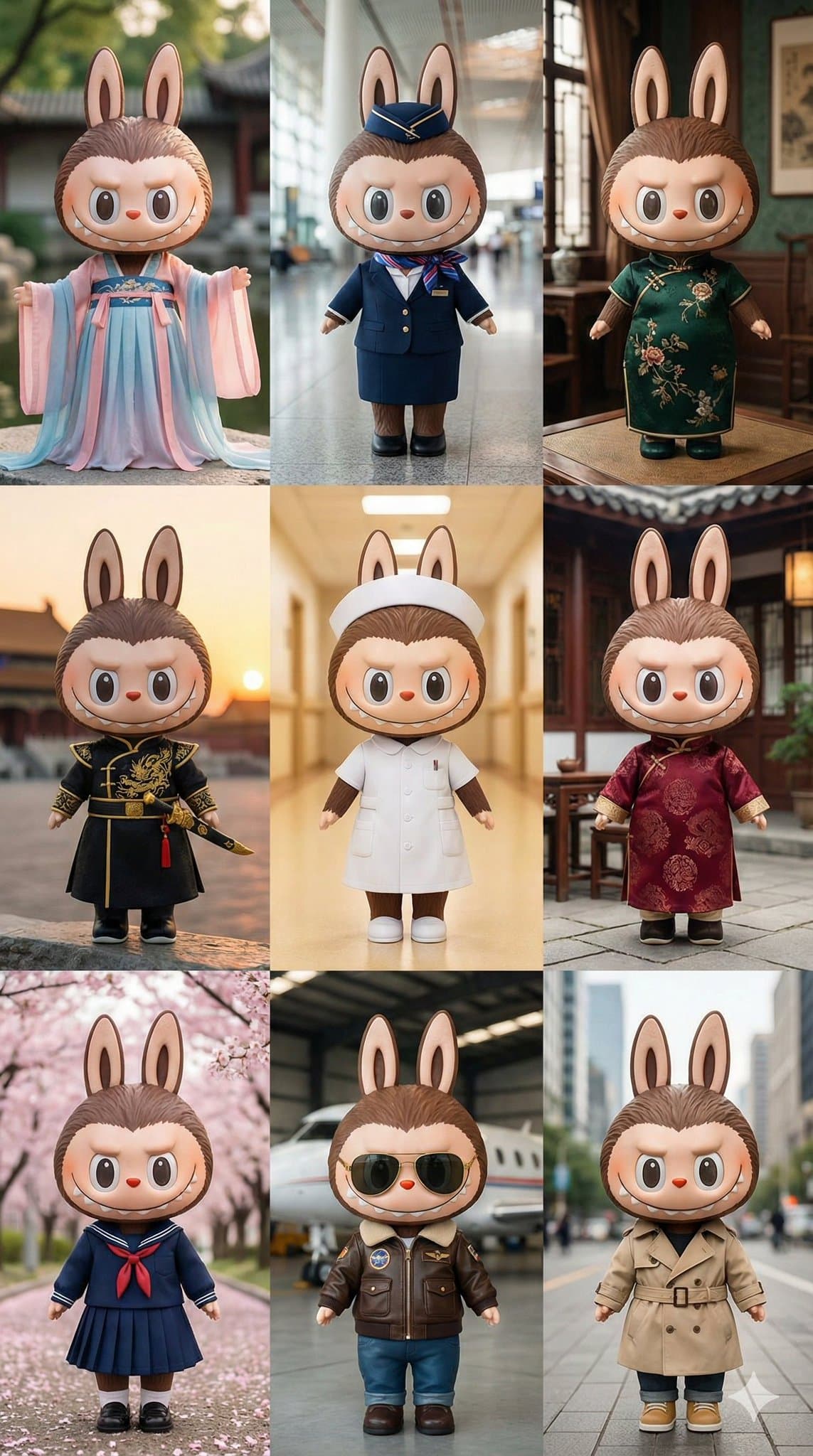
Rewrite entire scenes—time of day, weather, environment—while maintaining character poses, camera angles, and storytelling beats across the series.
Preserve fine textures, lighting direction, and identity across many iterations so long-running projects stay visually coherent from brief to final export.
Produce a steady volume of polished campaign visuals across channels: ad images, paid social creatives, promotional banners, launch graphics, and seasonal assets that feel closer to real campaign-ready creative from the first pass.
Fit e-commerce and merchandising workflows that need controlled updates—adjust backgrounds, recolor products, refine listing images, test packaging looks, and update hero visuals without rebuilding the whole scene every time.
Generate presentation graphics, editorial visuals, UI mockups, blog assets, infographics, and branded support images that stay aligned with a larger communication system—turning image generation into a production layer, not a one-off.
Support localized campaigns, multilingual packaging, region-specific promotional visuals, educational graphics, and interface assets where in-image text has to stay accurate and visually polished across every market.
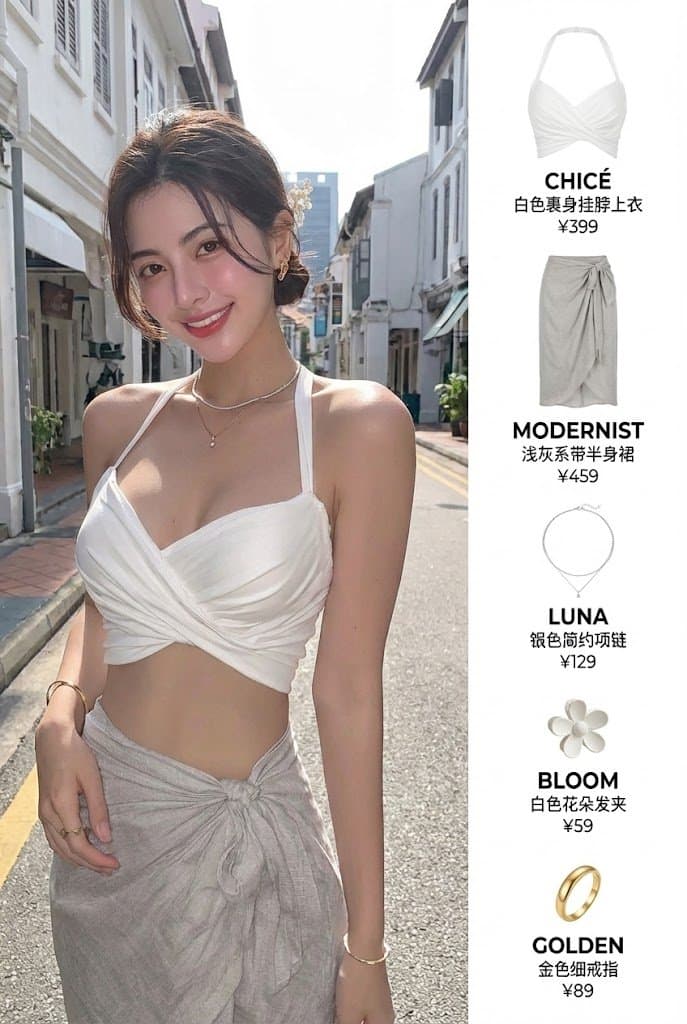
Transform existing images with style changes, background replacement, product recoloring, and composition cleanup—while preserving the parts of the original you want to keep.
Swap outfits, adjust backgrounds, or fix in-image copy without breaking everything else in the frame, so you can polish final details instead of starting over.
Change one part of the image—product color, object swap, background update, local scene refinement—without disturbing the surrounding lighting, shadows, textures, or style. Cleaner than full-image regeneration, more stable across iterations.
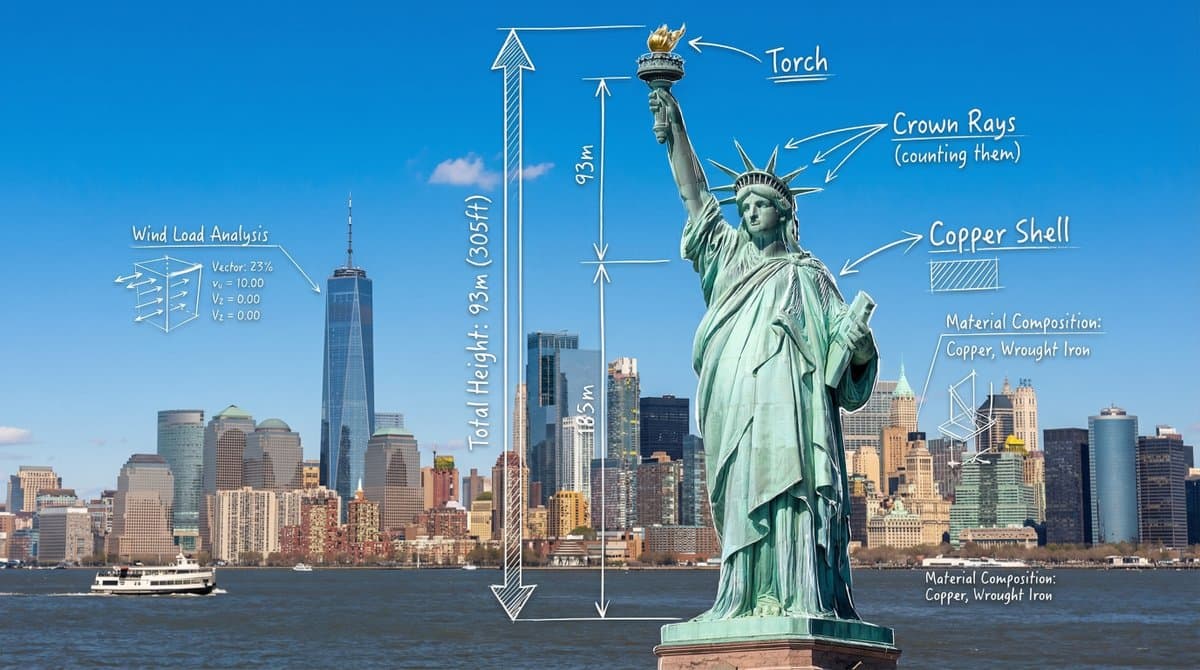
Stronger structural and factual coherence for maps, anatomy-style diagrams, historical reconstructions, architectural scenes, and educational graphics—useful whenever visual credibility matters as much as aesthetics.
Interactive-speed outputs around 3 seconds, combined with stronger instruction following for multi-subject prompts, layered scene details, and precise layout control—so iteration stays in the creative zone.
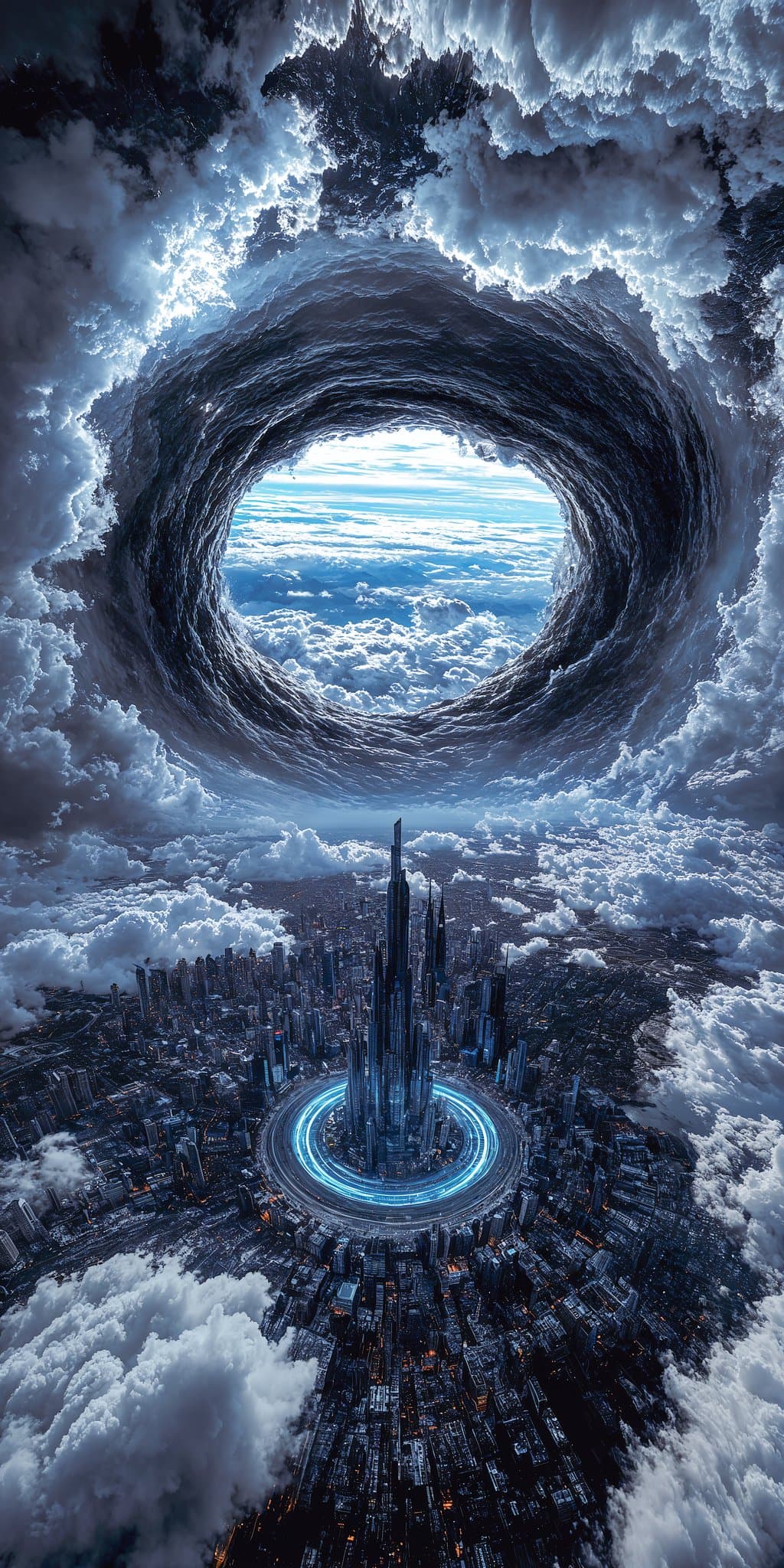
Explore 400+ curated prompts for characters, portraits, and cinematic scenes.
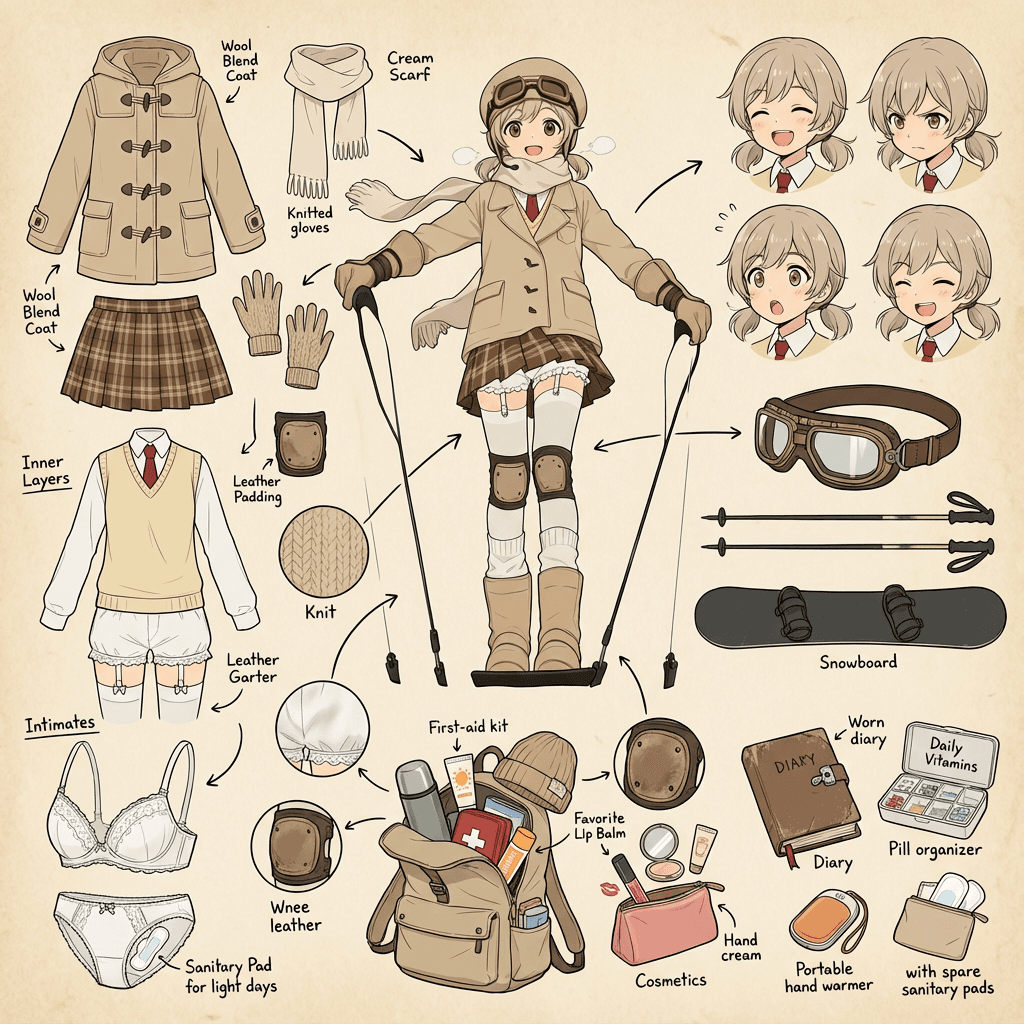
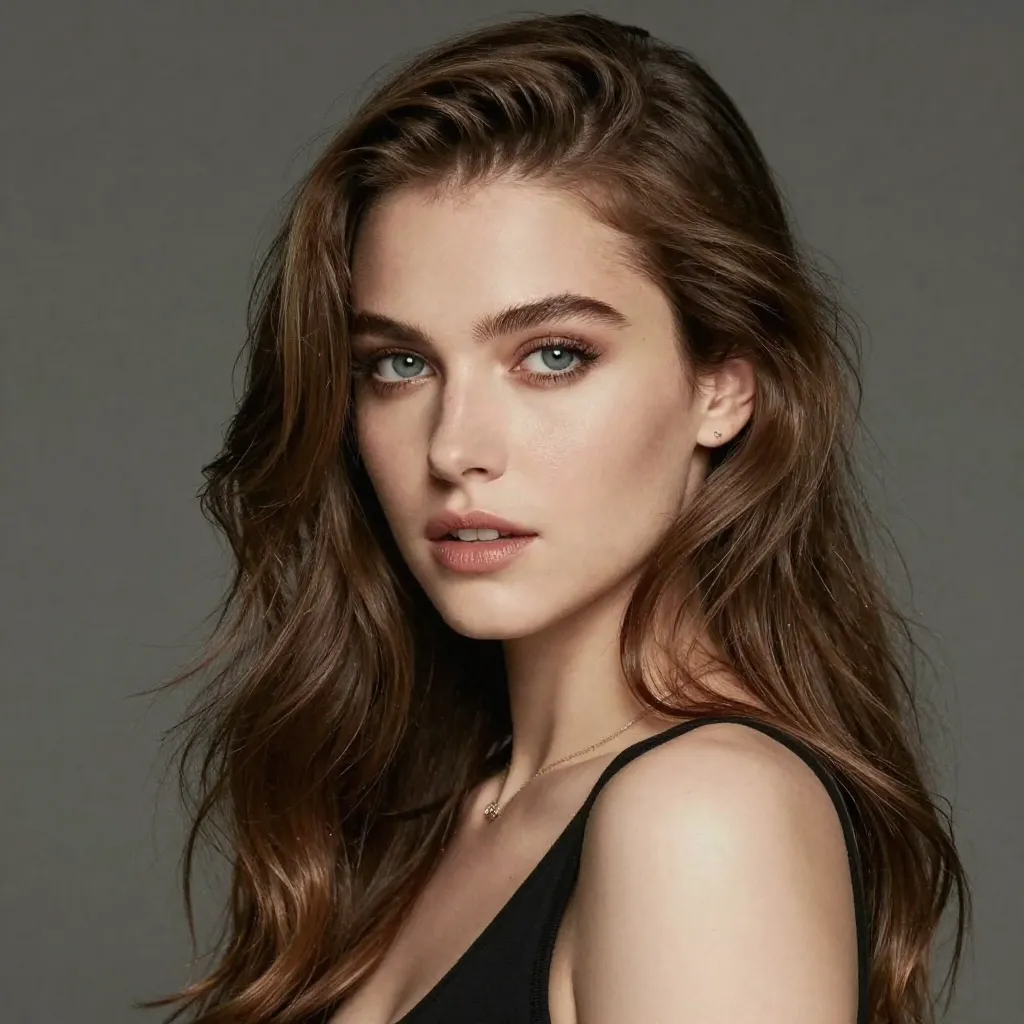
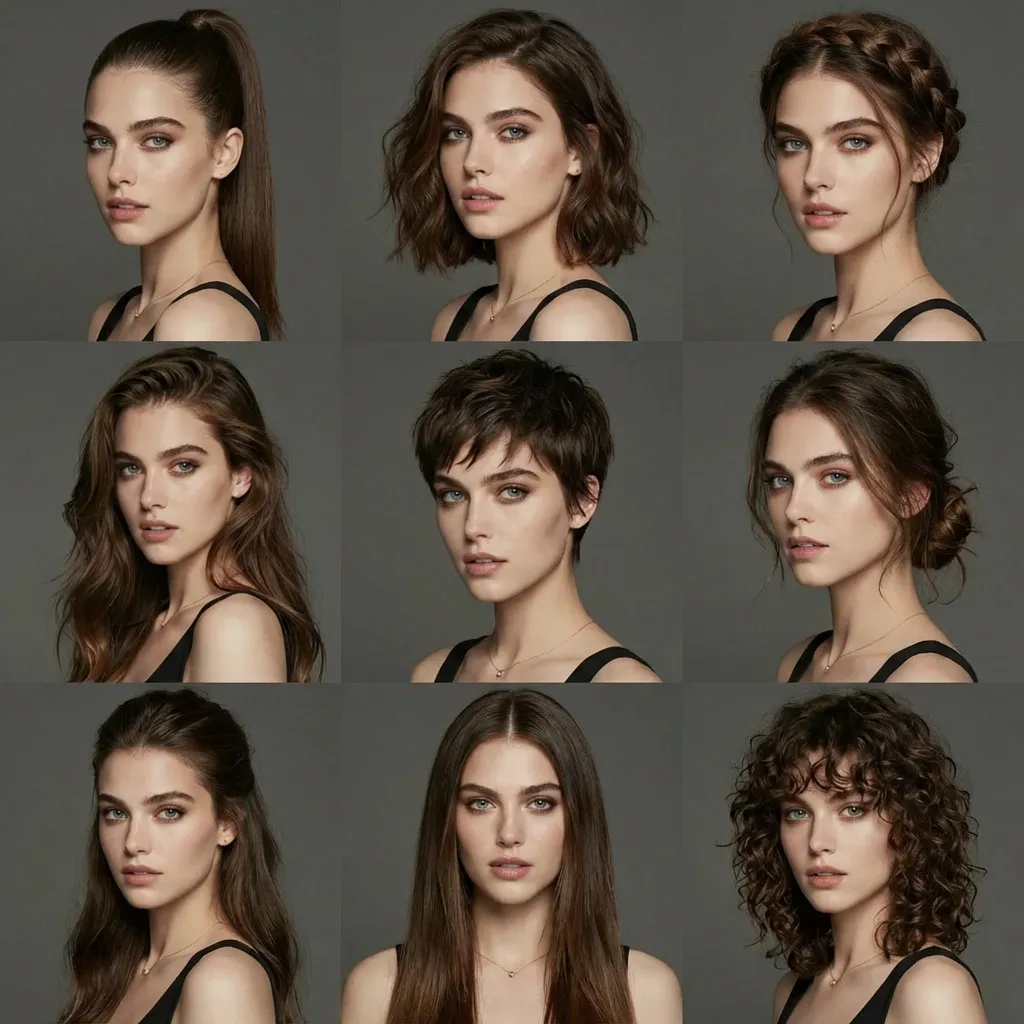
Generate avatars of this person with different hairstyles in a 3x3 grid format


